W Sydney opened to much acclaim late last year. For George Fleck, W Hotels Vice President and Global Brand Leader, the new hotel is nothing less than a game-changer –for Sydney, for W Hotels, and for hotel design globally. It is, after all, the largest and most ambitious W Hotel in the world.
I met Fleck at a sumptuously fitted and typically colourful private booth on W Sydney’s first level. Trying not to get too distracted by the views, we spoke about his personal and professional trajectories, impressions of Sydney, the qualities that set W Sydney apart and, most significantly, the ways in which hotel, hospitality and luxury design are overlapping and evolving.

Having played an integral part in the W Hotels expansion into Europe over a decade ago, it’s clear that Fleck feels a strong personal attachment to the brand. His newest appointment also represents something of a homecoming for him. He’s from Germany originally but has lived in the US for years, with experience working in various cities there as well as internationally in places such as Barcelona and Singapore.
“When I first heard about this new W brand so many years ago, I thought: I have to work there,” explains Fleck, drawing attention to an early – and continued – passion for hospitality.

“The sensory experiences really struck me when I walked in for the first time. I told myself back then that, one day, I’d become the leader of this brand. I was interested in finding out who are the people responsible for creating these indelible and wonderful experiences.” The interest in design and its experiential possibilities shines through.
“I realised that a hotel can be a beautiful backdrop to fabulous experiences that are not just about sleeping, eating or drinking,” says Fleck. “It can be about socialising and mixing the ideas of nightlife, entertainment and fashion culture.”
Related: Melbourne’s Metro Tunnel Project with Hassell

So, how has hotel design changed and what is distinctively modern about a setting such as W Sydney?
“It’s very cyclical,” he notes. “This is exactly what people at the turn of the century in the Gilded Age were doing. They were creating these social spaces, interesting cocktail experiences and things like that. So, in a way, the desire for places with bars and restaurants like that hasn’t really changed, but now hotels have really started to reimagine themselves.”

W Hotels certainly carry a distinctive reputation and atmosphere – think colourful, as Bowler James Brindley explained with regard to their interior design fit-out for W Sydney. Born out of a very particular New York City 1990s aesthetic, the brand clearly aims to bring its unique persona with it wherever it goes around the world. As Fleck notes, however, that doesn’t mean hotels without any specific connections to place and local culture.

“As we started to grow very fast outside of the US, we couldn’t just take an American brand and drop it into Hong Kong or Barcelona or the Maldives expecting that it would just be a rinse-and-repeat exercise,” says Fleck. “Because then we would be doing the same as previous traditional hotel experiences, where every hotel looked and felt the same. We wanted to adapt and evolve the brand to feel more global.”
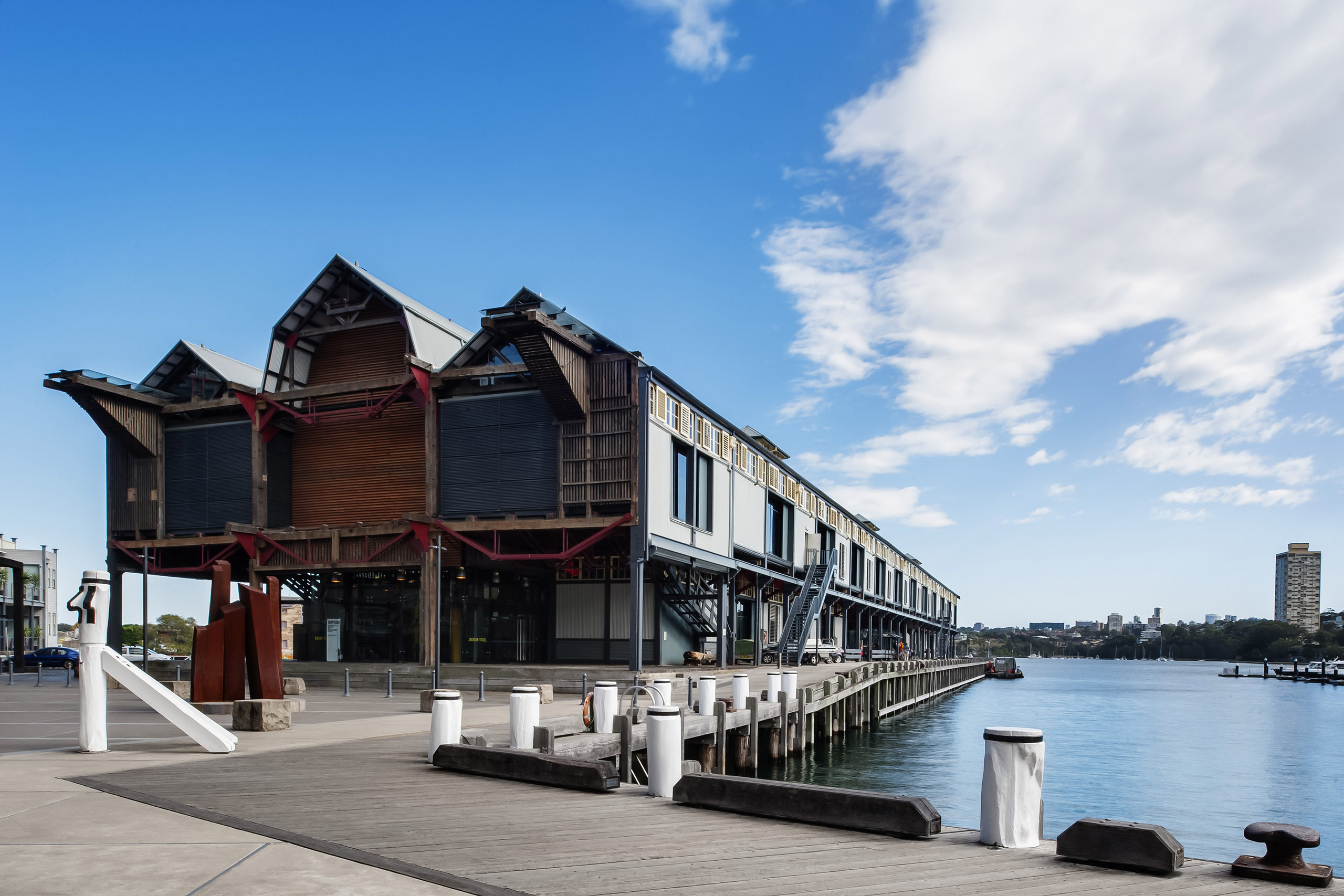
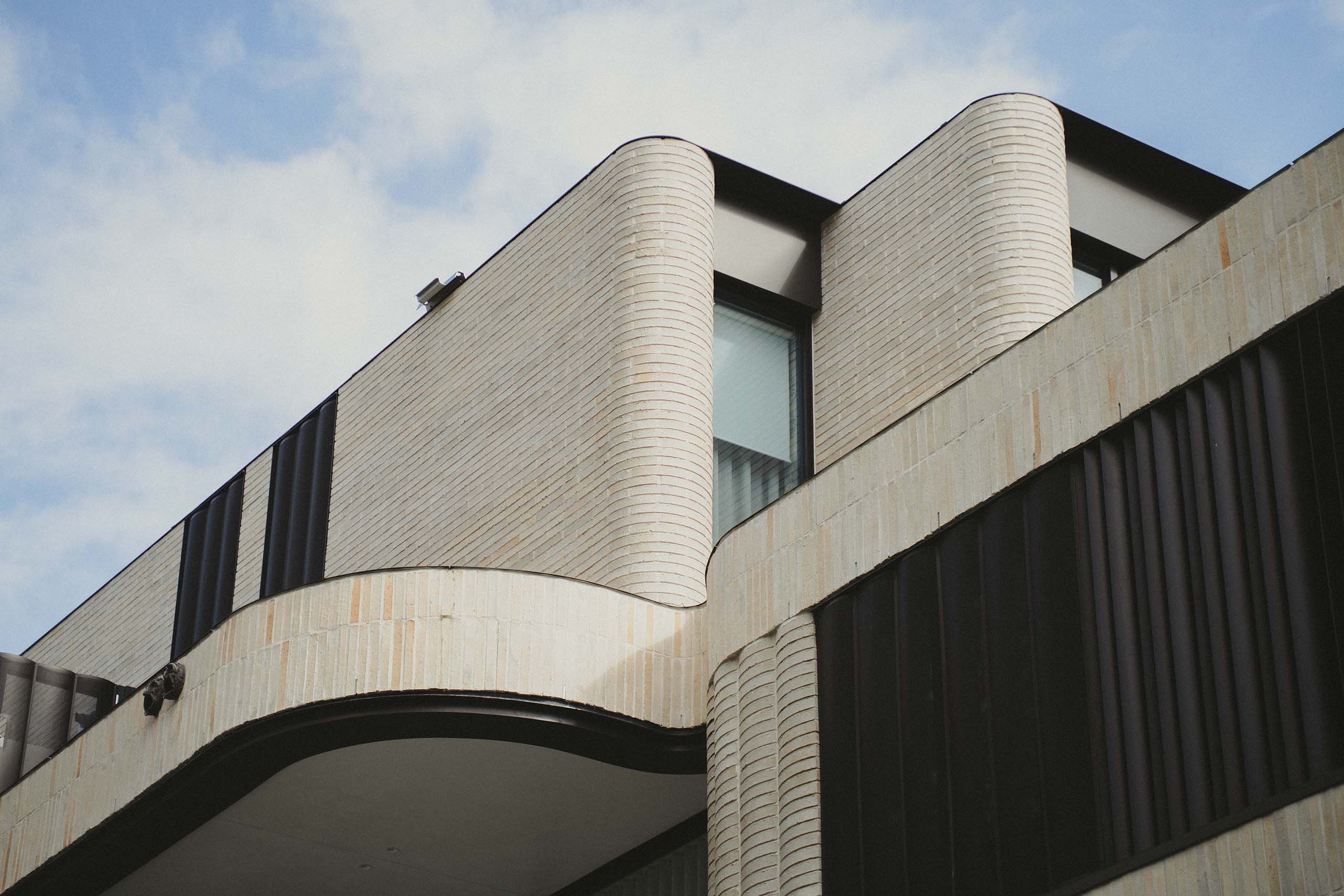
At W Sydney, this local specificity comes through in the sense of playfulness and vivacity. “We’ve been really focusing on iconic, landmark architecture,” he notes in relation to W Sydney’s Hassell-designed building. In a similar vein, W Osaka’s architectural envelope was designed by Tadao Ando.

“It’s important that we capture the personality and vibrancy of [Sydney],” adds Fleck, drawing attention to what he perceives as the sense of fun that characterises the city.
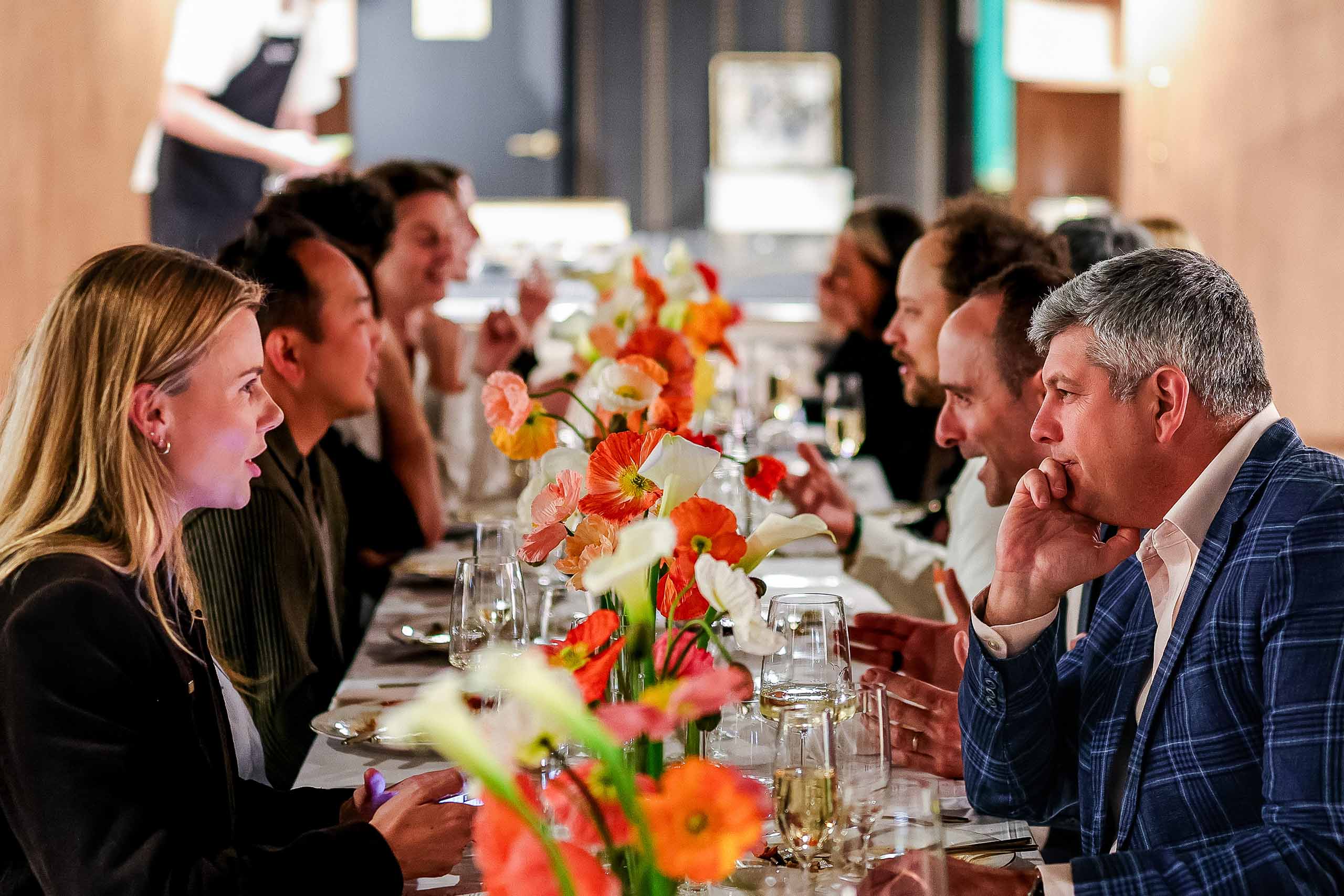
With facilities such as BTWN restaurant and Living Room bar, W Sydney also illustrates the increasing importance of hospitality layers within hotel design. Fleck outlines three trends that converge around the nexus of hotel, hospitality and luxury design: immersive experiences, nostalgia, and brand takeovers of temporary spaces.
“I think there’s a desire for even more immersive experiences, for theatricality,” says Fleck. “People want to be able to share every detail, but I actually don’t think it’s about whether something is ‘Instagrammable’ – the question is, am I excited to share what I experienced with my friend?”

Regarding nostalgia, Fleck notes how there is a general cultural return to phenomena such as super-models from the 1990s or 2000s. Clearly, this presents opportunities for interior designers. The final observation comes as Fleck remarks on the trend of big brands ‘taking over’ spaces – a fashion label, for example, hosting an exclusive event in a hotel bar with a view.
W Sydney draws together many of these strands and it’s set to cement its position as both a hotel and hospitality destination for Sydney on the global stage.
W Sydney
marriott.com
Photography
Courtesy of W Sydney